1. Big Z's
  2. Collections
  3. Animals
  4. True Spiders
  5. Florida Trapdoor Spider (Cyclocosmia torreya)
Florida Trapdoor Spider (Cyclocosmia torreya) 0.33-0.5" (Sling) CB
Rare drop We don't get these often, and restocks are hard to predict. CB: Captive bred Bred and hatched in captivity, not collected from the wild.
Big Z's notes

About this Fella

Florida Trapdoor Spider for sale from Big Z's (Cyclocosmia torreya). Comes with a Spice rating and a care guide, and ships packed for the weather.

Cyclocosmia torreya (Florida Trapdoor Spider / Torreya Trapdoor Spider)

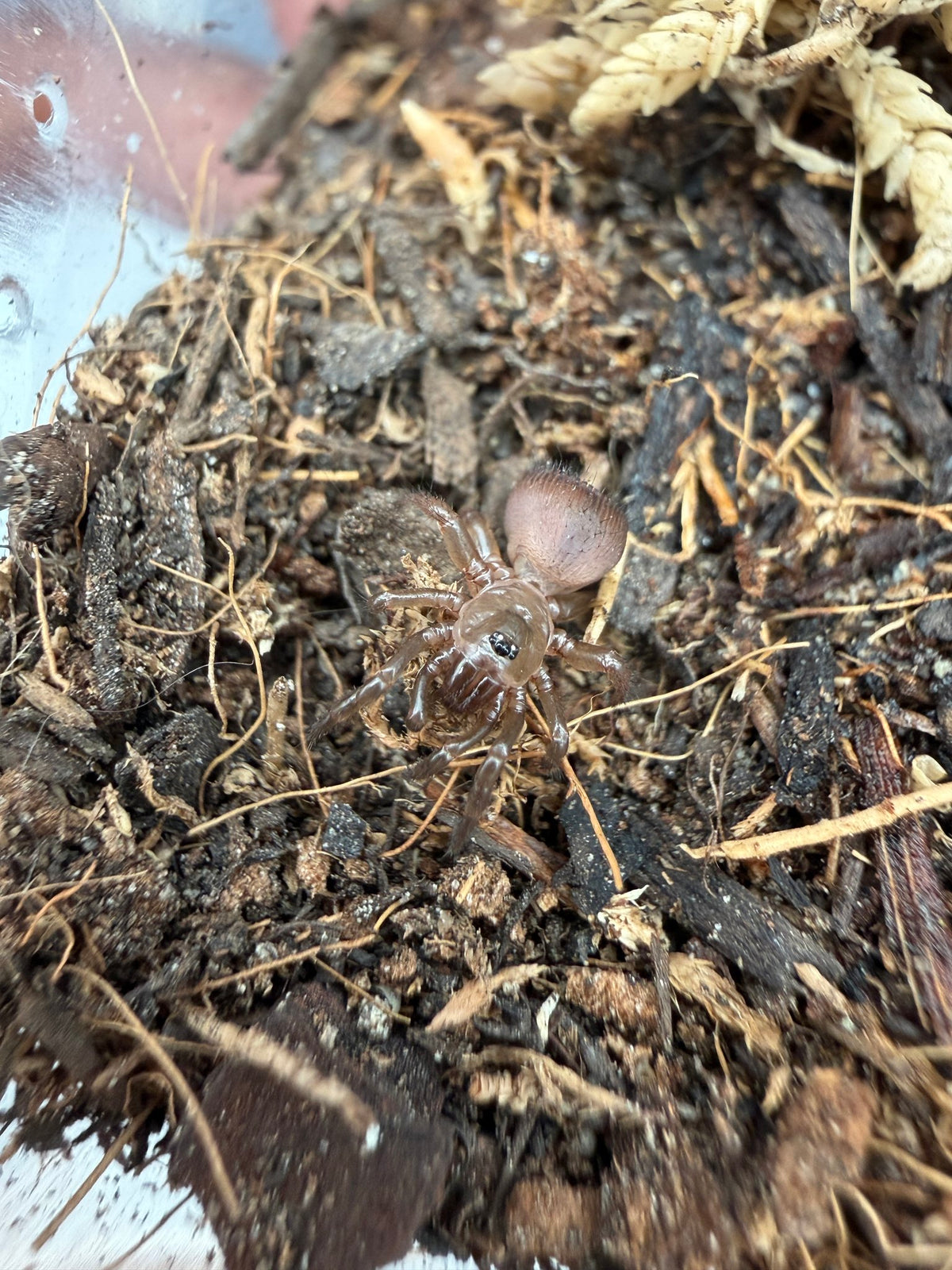
One of the strangest spiders in North America, and one of the hardest to find. The Florida Trapdoor's abdomen ends in a hard, ribbed disc that looks like an old coin and works like a cork: when anything gets past the trapdoor, it dives head-first to the bottom of its burrow and seals the shaft with its own armored rear end. It is a native with a tiny known range along the Apalachicola River, it almost never comes up for sale, and captive-bred slings are rarer still. Set it up once in deep, firm, moist soil and you get a spider that digs its own tunnel, hangs its own door and hunts from it while you watch. Grab a captive-bred Florida Trapdoor sling today while they last.

Why do hobbyists keep Cyclocosmia torreya?

  • The Coin Butt: that flat, hardened disc on the rear of the abdomen is one of the wildest adaptations in the spider world. Everyone who sees one does a double take.
  • True Rarity: a U.S. native known only from North Florida and southwestern Georgia, and listed as Data Deficient by the IUCN. Very few collections have one.
  • A Real Trapdoor: it digs a silk-lined shaft, hangs a hinged lid on top and ambushes from the doorway after dark. Catching that door pop open never gets old.
  • Set It and Leave It: packed soil, a starter hole and small prey every week or two. Once the door is built, the less you do, the better it does.

How should Cyclocosmia torreya be kept?

  • Adult Size: a small, stocky trapdoor. Published adult measurements are scarce, so every one is measured before it lists: these slings are 0.33 to 0.5 inch.
  • Enclosure: depth beats footprint. Start a sling in a tall deli cup or vial packed almost to the top with firm, clay-rich soil, and give a growing spider at least 5 to 6 inches of packed soil. Poke a starter hole and let it take over.
  • Temperature: 68 to 78 degrees F. Cool and steady: no heat lamp, no sunny window.
  • Humidity: 65 to 80 percent. Evenly moist soil, never wet: water from the edges so it wicks toward the burrow without flooding it.
  • Water: the moist soil is its water source. A droplet by the door now and then is plenty.
  • Diet: small crickets or roach nymphs dropped by the door at dusk, every 1 to 2 weeks. If the prey is still wandering the next day, pull it and try again later.
  • Temperament: secretive and not defensive, but its bite is not documented, so keep your hands out. A no-handling display animal: you watch the door, you never dig it out.

Are there any additional notes or considerations?

  • Captive-Bred: captive-bred slings at 0.33 to 0.5 inch. A native with a tiny known range: keep it for life and never release it.
  • Never Dig It Out: a trapdoor that loses its burrow may not rebuild well. Expect long stretches with the door shut, especially around a molt. That is normal, not a problem.
  • Spice Level 3: Intermediate. One animal, shipped live on FedEx Overnight. Live Arrival Guarantee on overnight orders.

Full care is in the care guide. It covers enclosure size, temperature, humidity, feeding, molting signs and handling limits for this species. Read the Advanced guide, or the shorter Simple guide →

Lane
Spice 3 · Intermediate
Source
CB: captive-bred.
Keeping
Display animal. Kept in its enclosure, not handled.
Name check Accepted name, checked Nov 4, 2026

Cyclocosmia torreya Gertsch & Platnick, 1975

Family Halonoproctidae

Status
Accepted in the World Spider Catalog
Native range
USA
Paper trail
Described by Gertsch and Platnick in 1975.
See the record in the World Spider Catalog

Matched to the official species catalog on the date above.

Florida Trapdoor Spider (Cyclocosmia torreya)

Spider

Read reviews Write a review
$39.990.33-0.5" (Sling) CB selected
Sold out

Size
Frequently paired

Add an enclosure or feeder

Review each item before adding it to your order.

Florida Trapdoor Spider (Cyclocosmia torreya)
Selected animal Florida Trapdoor Spider (Cyclocosmia torreya) 0.33-0.5" (Sling) CB $39.99

Checked add-ons go in the cart with this item.

Request a restock

At a glance

The quick read on this fella

Adult size
Body about 1 in
Genus figures
Venom
Bite not documented
Avoid contact
Type
Fossorial
Burrower · US native
Climate
68-78°F · 65-80%
Evenly moist clay, never wet
Feeding
Small prey dropped by the door
Every 1-2 weeks
Housing
Solo only

From our Florida Trapdoor Spider care guide. Read the full guide

Live animals ship Mon to Wed FedEx Standard Overnight $44.99 or Priority Overnight $49.99, both with the Live Arrival Guarantee; free overnight on orders $499.99 and up. FedEx 2Day $34.99 has no guarantee and needs a signed waiver. Pickup in the Phoenix area or at an expo is free (arrange with Big Z first). Weather holds are free and we message you first.
Live arrival support Every order is packed for that week’s weather. Not sure if Florida Trapdoor Spider is your spice level? Message us and we’ll talk it through.
Big Z's here to help Not sure if Florida Trapdoor Spider is your spice level? Message us and we’ll talk it through.
About this Fella Big Z's notes

Florida Trapdoor Spider for sale from Big Z's (Cyclocosmia torreya). Comes with a Spice rating and a care guide, and ships packed for the weather.

Cyclocosmia torreya (Florida Trapdoor Spider / Torreya Trapdoor Spider)

One of the strangest spiders in North America, and one of the hardest to find. The Florida Trapdoor's abdomen ends in a hard, ribbed disc that looks like an old coin and works like a cork: when anything gets past the trapdoor, it dives head-first to the bottom of its burrow and seals the shaft with its own armored rear end. It is a native with a tiny known range along the Apalachicola River, it almost never comes up for sale, and captive-bred slings are rarer still. Set it up once in deep, firm, moist soil and you get a spider that digs its own tunnel, hangs its own door and hunts from it while you watch. Grab a captive-bred Florida Trapdoor sling today while they last.

Why do hobbyists keep Cyclocosmia torreya?

  • The Coin Butt: that flat, hardened disc on the rear of the abdomen is one of the wildest adaptations in the spider world. Everyone who sees one does a double take.
  • True Rarity: a U.S. native known only from North Florida and southwestern Georgia, and listed as Data Deficient by the IUCN. Very few collections have one.
  • A Real Trapdoor: it digs a silk-lined shaft, hangs a hinged lid on top and ambushes from the doorway after dark. Catching that door pop open never gets old.
  • Set It and Leave It: packed soil, a starter hole and small prey every week or two. Once the door is built, the less you do, the better it does.

How should Cyclocosmia torreya be kept?

  • Adult Size: a small, stocky trapdoor. Published adult measurements are scarce, so every one is measured before it lists: these slings are 0.33 to 0.5 inch.
  • Enclosure: depth beats footprint. Start a sling in a tall deli cup or vial packed almost to the top with firm, clay-rich soil, and give a growing spider at least 5 to 6 inches of packed soil. Poke a starter hole and let it take over.
  • Temperature: 68 to 78 degrees F. Cool and steady: no heat lamp, no sunny window.
  • Humidity: 65 to 80 percent. Evenly moist soil, never wet: water from the edges so it wicks toward the burrow without flooding it.
  • Water: the moist soil is its water source. A droplet by the door now and then is plenty.
  • Diet: small crickets or roach nymphs dropped by the door at dusk, every 1 to 2 weeks. If the prey is still wandering the next day, pull it and try again later.
  • Temperament: secretive and not defensive, but its bite is not documented, so keep your hands out. A no-handling display animal: you watch the door, you never dig it out.

Are there any additional notes or considerations?

  • Captive-Bred: captive-bred slings at 0.33 to 0.5 inch. A native with a tiny known range: keep it for life and never release it.
  • Never Dig It Out: a trapdoor that loses its burrow may not rebuild well. Expect long stretches with the door shut, especially around a molt. That is normal, not a problem.
  • Spice Level 3: Intermediate. One animal, shipped live on FedEx Overnight. Live Arrival Guarantee on overnight orders.

Full care is in the care guide. It covers enclosure size, temperature, humidity, feeding, molting signs and handling limits for this species. Read the Advanced guide, or the shorter Simple guide →

Lane
Spice 3 · Intermediate
Source
CB: captive-bred.
Keeping
Display animal. Kept in its enclosure, not handled.
Name check Accepted name, checked Nov 4, 2026

Cyclocosmia torreya Gertsch & Platnick, 1975

Family Halonoproctidae

Status
Accepted in the World Spider Catalog
Native range
USA
Paper trail
Described by Gertsch and Platnick in 1975.
See the record in the World Spider Catalog

Matched to the official species catalog on the date above.

What ships with this order Care + shipping
  • A free care guide for this species
  • A heat or cold pack when the forecast calls for it
  • Tracking and an arrival window before it ships
  • Message Big Z about your animal for as long as you keep it
Care guideSpice 3 · Intermediate
Related products

More from this category

Browse Spice 3 products →
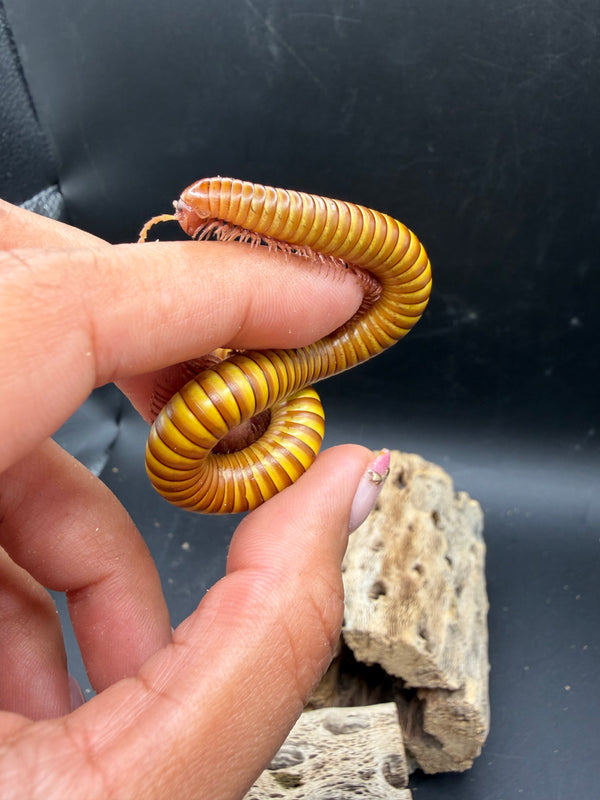
View Texas Gold Millipede (Orthoporus ornatus)
Texas Gold Millipede, Orthoporus ornatus Hot sale −20%

Texas Gold Millipede (Orthoporus ornatus)

Millipede

$9.99$7.99 View animal →
In stock
Lot deal
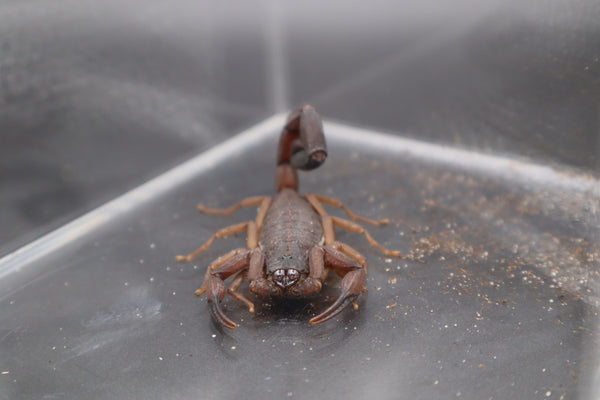
View Florida Bark Scorpion (Centruroides gracilis)
Florida Bark Scorpion, Centruroides gracilis, image 2

Florida Bark Scorpion (Centruroides gracilis)

Scorpion

$14.99+ View animal →
Only 2 left
Lot deal
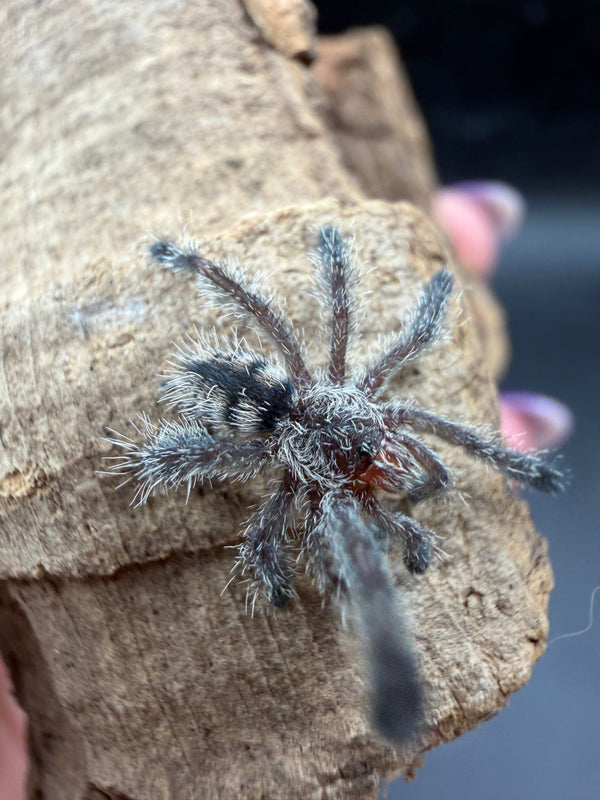
View Purple Pink Toe Tarantula (Avicularia purpurea)
Purple Pink Toe Tarantula (Avicularia purpurea), image 1

Purple Pink Toe Tarantula (Avicularia purpurea)

Tarantula

$59.99 View animal →
In stock
Lot deal
View Green Bottle Blue Tarantula (Chromatopelma cyaneopubescens)
Green Bottle Blue Tarantula (Chromatopelma cyaneopubescens) 0.75" (Sling) Hot sale −23%

Green Bottle Blue Tarantula (Chromatopelma cyaneopubescens)

Tarantula

$54.99$41.99 View animal →
Only 5 left
Lot deal
View Brazilian Blue Tarantula (Lasiocyano sazimai)
Brazilian Blue Tarantula, Lasiocyano sazimai, image 2

Brazilian Blue Tarantula (Lasiocyano sazimai)

Tarantula

$49.99 View animal →
In stock
Lot deal
View Brazilian White Knee Tarantula (Acanthoscurria geniculata)
Brazilian White Knee Tarantula (Acanthoscurria geniculata) 1.5-2.5" (Juvenile) CB

Brazilian White Knee Tarantula (Acanthoscurria geniculata)

Tarantula

$19.99+ View animal →
In stock