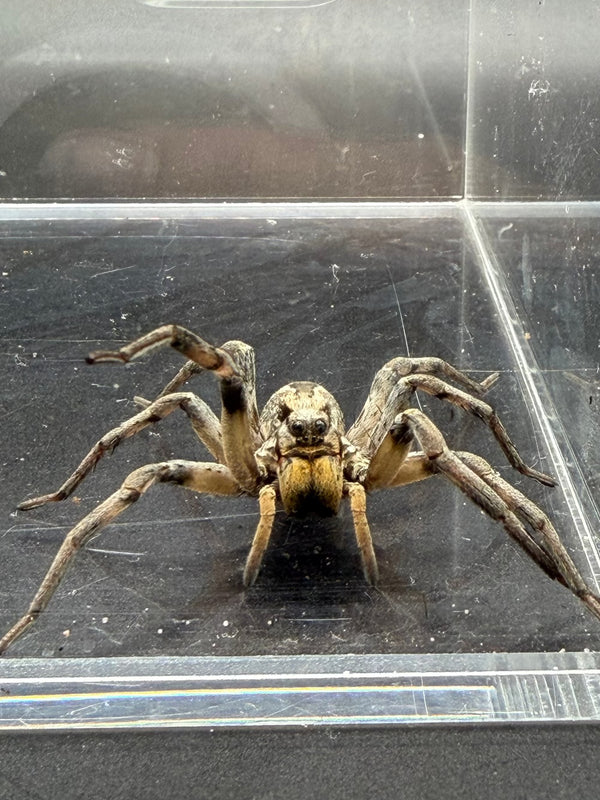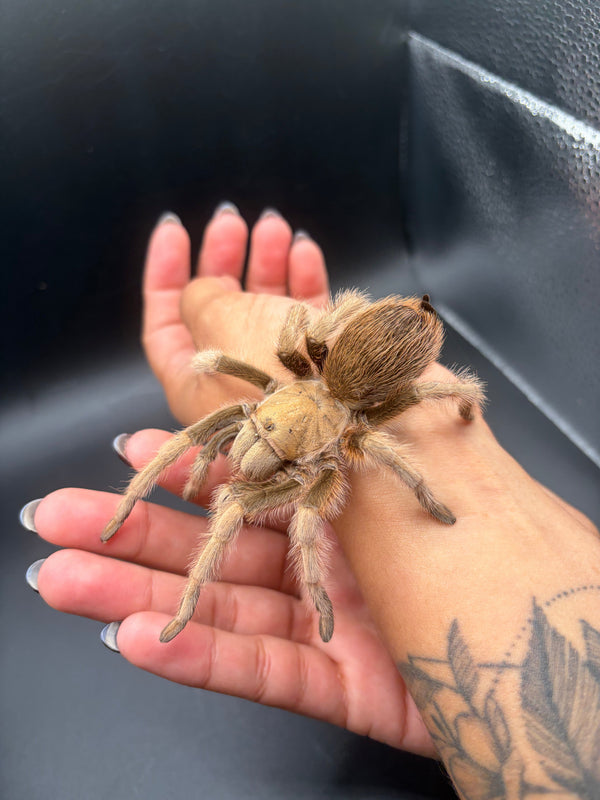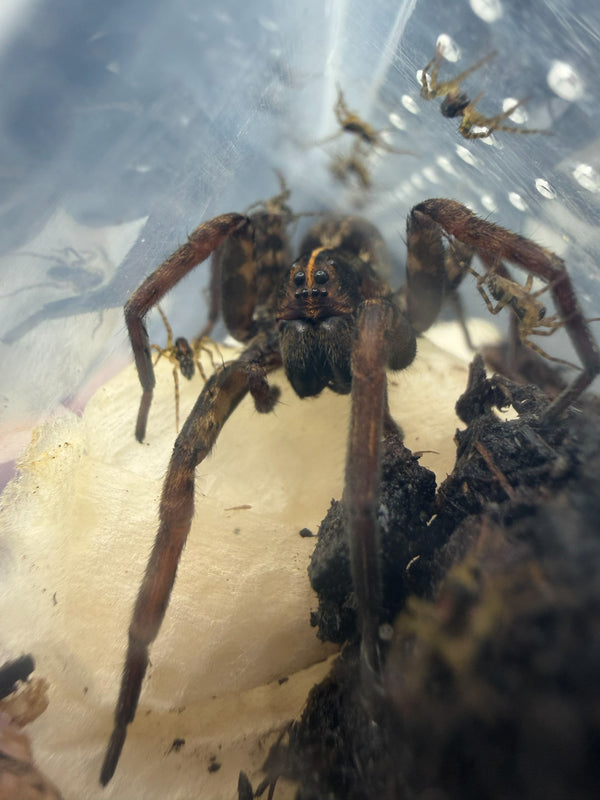
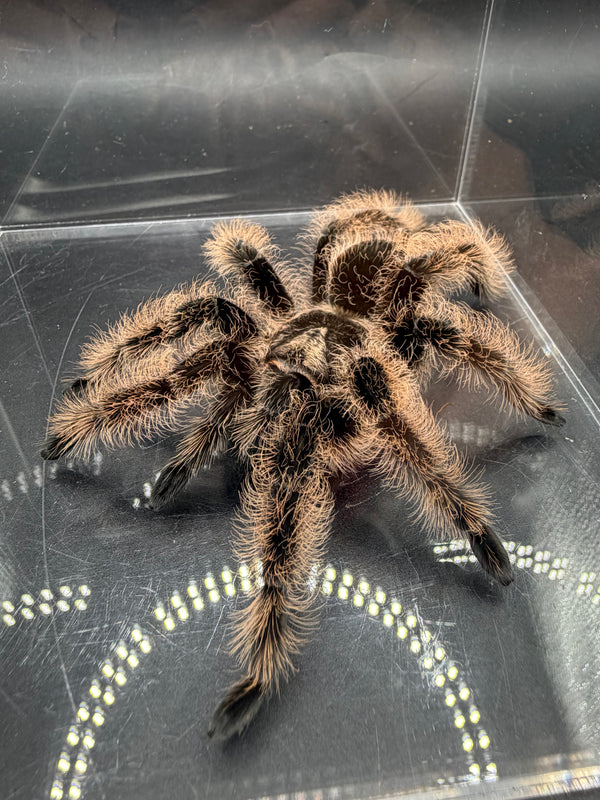
Curly Hair Tarantula (Tliltocatl albopilosus)
Tarantula

Madera Canyon Tarantula for sale from Big Z's (Aphonopelma madera). Spice-rated keeper notes, care guidance, and live-arrival packing where eligible.
An Arizona sky-island tarantula, captive bred.
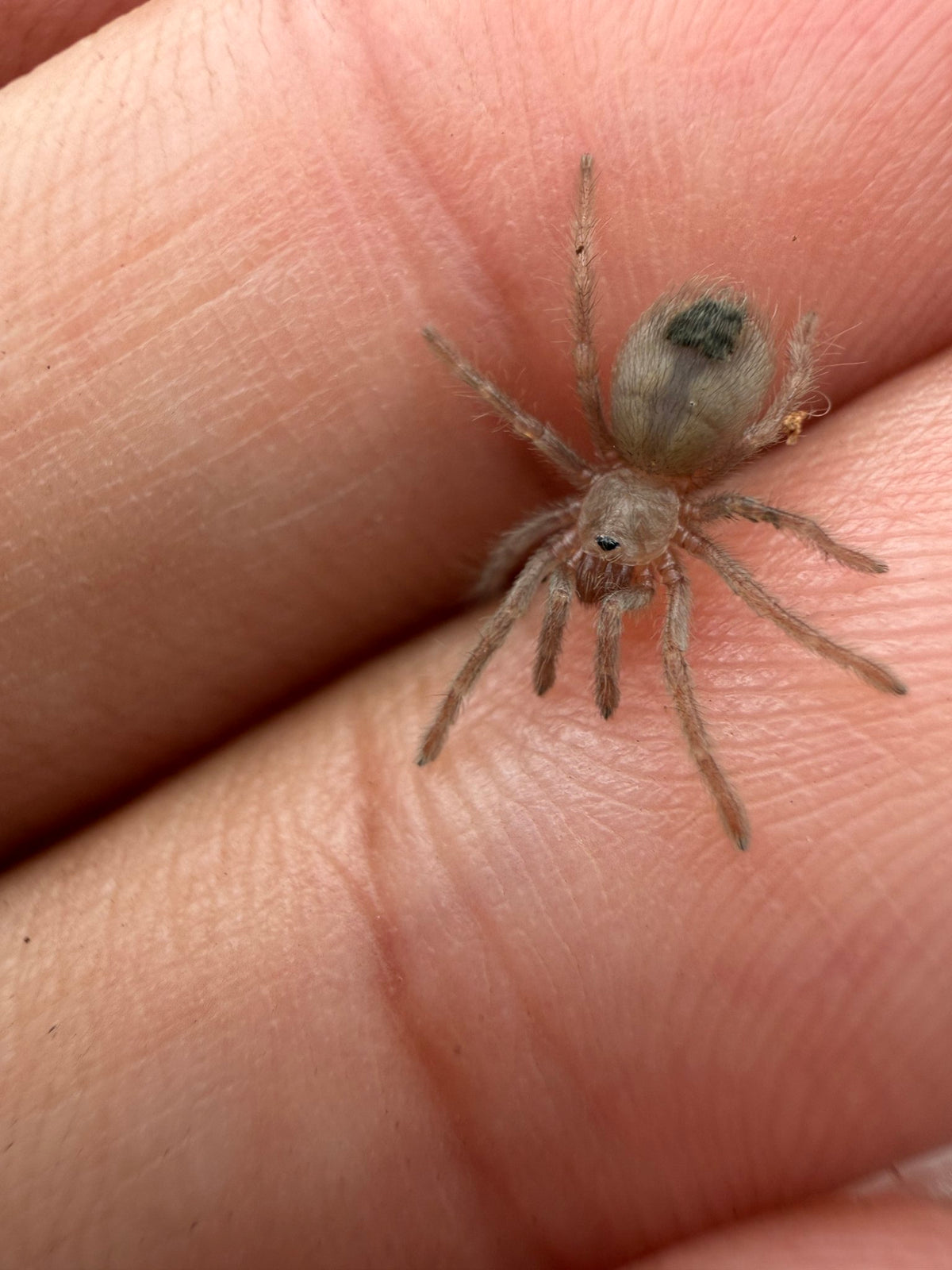
Aphonopelma madera, the Madera Canyon Tarantula, is one of the Arizona Aphonopelma the trade sells under its canyon name. These are captive-bred slings; we measure each one when it lands, so ask if you need a number before you order. Like the rest of the genus it is a slow-growing, long-lived ground dweller that spends most of its time in or near a retreat.
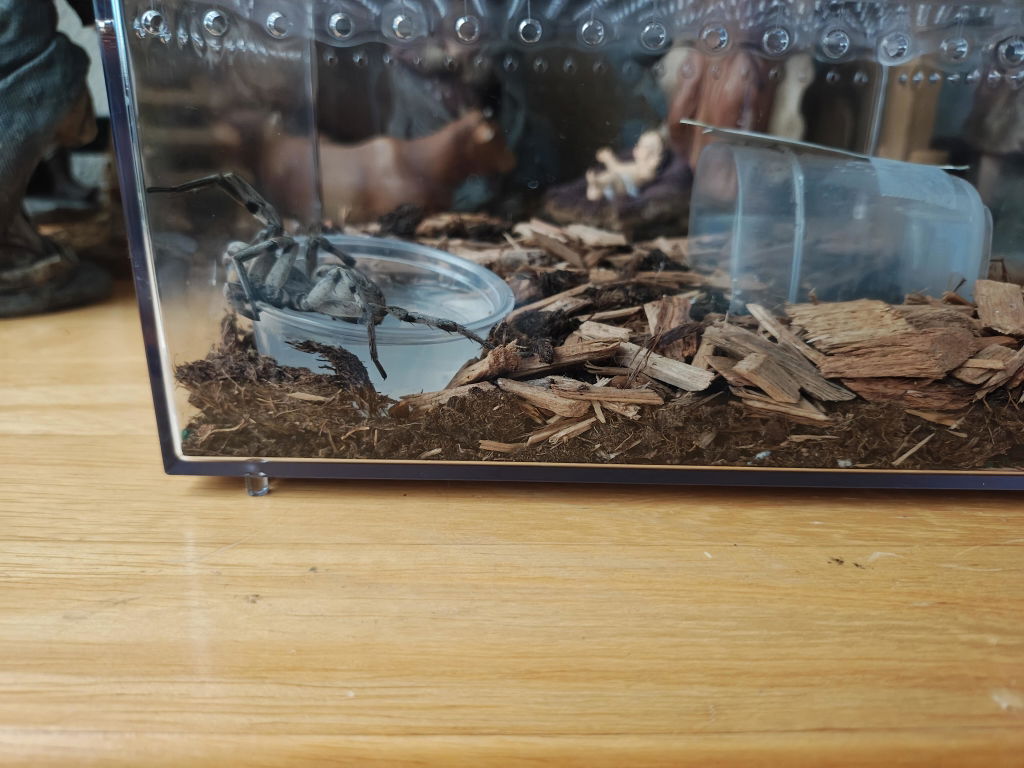
Spice Level 2: Beginner. Give it a small terrestrial setup with a few inches of packed, mostly dry substrate, a starter hide and a bottle-cap water dish. It is not a handling animal; New World tarantulas carry urticating hairs and this one will use them if pushed. A Baby Buddy fits it at this size.
The numbers live in the care guide. Enclosure size, temps, humidity, feeding schedule, premolt signs, handling boundaries: it's all in the care guide for this exact fella. Start with the full Advanced guide, or click for the quick Open the Simple version →
Tarantula
Madera Canyon Tarantula (Aphonopelma madera) care guide Read shipping & LAG
Madera Canyon Tarantula for sale from Big Z's (Aphonopelma madera). Spice-rated keeper notes, care guidance, and live-arrival packing where eligible.
An Arizona sky-island tarantula, captive bred.
Aphonopelma madera, the Madera Canyon Tarantula, is one of the Arizona Aphonopelma the trade sells under its canyon name. These are captive-bred slings; we measure each one when it lands, so ask if you need a number before you order. Like the rest of the genus it is a slow-growing, long-lived ground dweller that spends most of its time in or near a retreat.
Spice Level 2: Beginner. Give it a small terrestrial setup with a few inches of packed, mostly dry substrate, a starter hide and a bottle-cap water dish. It is not a handling animal; New World tarantulas carry urticating hairs and this one will use them if pushed. A Baby Buddy fits it at this size.
The numbers live in the care guide. Enclosure size, temps, humidity, feeding schedule, premolt signs, handling boundaries: it's all in the care guide for this exact fella. Start with the full Advanced guide, or click for the quick Open the Simple version →
Aphonopelma spp. - Spice 2: Beginner. Baby Buddy: spiderlings only, escape-proof ventilation; rehouse up before it gets cramped.; Burrow Buddy: forever home for dwarf species; a grow-out stage for full-size ones like A. chalcodes.; Larger custom terrestrial enclosure for adults of the full-size species.
Aphonopelma spp.
Identity confidence: provisional. This is a genus, group, or trade name rather than a confirmed species. Treat it as the closest match we can stand behind, and use the more conservative end of any range.
Big Z's Quick Verdict: The US and Central American desert tarantulas: calm, hardy, and among the longest-lived spiders in the hobby. The only hard part is patience: A. chalcodes females can take a decade-plus to mature. Adults reach about 4.5-6 inches across.
| Temp | 75-88°F (tolerates cool winter dips) |
|---|---|
| Humidity | 35-50%, dry substrate, full dish (seemanni: moist corner) |
| Setup | Terrestrial/fossorial (dry) |
| Substrate | Dry sand/topsoil; seemanni needs 6-8 in, one damp corner |
| Feeding | Prey every 7-10 days; fasts for months are normal |
| Handling | Not recommended, kicks urticating hairs |
Humidity zones: Very Low under 30% - Low 30-60% - Low-Moderate 40-70% - Moderate 60-80% - Moderate-High 70-85% - High 80%+ - Very High 90%+
Current Big Z's catalog: Yes
Aphonopelma spp.
Identity confidence: provisional. This is a genus, group, or trade name rather than a confirmed species. Treat it as the closest match we can stand behind, and use the more conservative end of any range.
Keeper Snapshot: The US and Central American desert tarantulas: calm, hardy, and among the longest-lived spiders in the hobby. The only hard part is patience: A. chalcodes females can take a decade-plus to mature. Adults reach about 4.5-6 inches across.
| Temperature | 75-88°F (tolerates cool winter dips) |
|---|---|
| Humidity | 35-50%, dry substrate, full dish (seemanni: moist corner) |
| Setup Type | Terrestrial/fossorial (dry) |
| Substrate | Dry sand/topsoil; seemanni needs 6-8 in, one damp corner |
| Feeding | Prey every 7-10 days; fasts for months are normal |
| Care Difficulty | Spice 2: Beginner |
| Handling | Not recommended, kicks urticating hairs |
Humidity zones: Very Low under 30% - Low 30-60% - Low-Moderate 40-70% - Moderate 60-80% - Moderate-High 70-85% - High 80%+ - Very High 90%+

Tarantula

Spider
Hot sale
−15%
on 3.5" size
Tarantula

Invertebrate
Hot sale
−16%
Tarantula
Hot sale
−15%
Tarantula
Live animal in this order. Pick one now so we pack and document it right, then choose the matching option at checkout.
We hand the box to FedEx that morning and email tracking the same day. Different day? Close this and change it in your cart.
Tick the box and type your initials to continue.
Your choice is recorded on the order. Coverage is governed by the Live Arrival Guarantee, Shipping Policy and Refund & Return Policy.